

Single-Origin vs. Blended Honey: What to Look for When Browsing Honey for Sale
Learn the difference between single-origin and blended honey, from flavour and quality to sourcing, value, and how to choose the best honey for sale.
Single-origin and blended honey differ in flavour, sourcing, consistency, and ideal everyday uses.
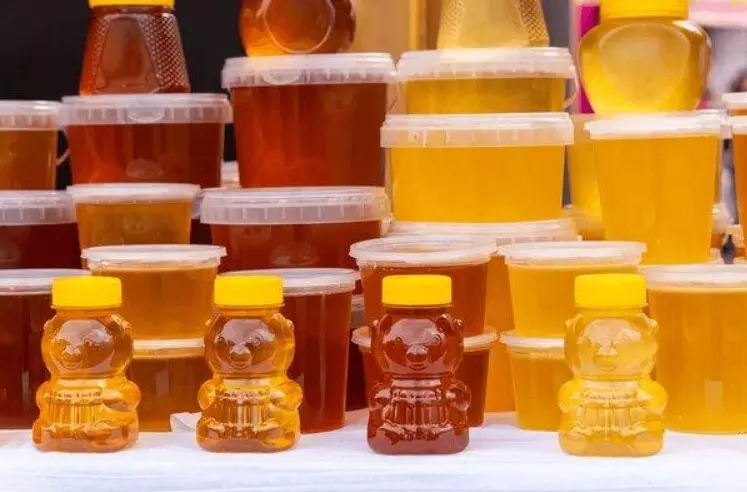
Walk into any store or browse online, and you'll find dozens of jars claiming to be pure, natural, and delicious. The labels show flowers, bees, and pastoral scenes, but the real differences lie in what you can't see. When browsing honey for sale, the choice between single-origin and blended varieties affects everything from flavour and texture to nutritional value and how well that honey suits your intended use.
Single-origin honey comes from one floral source or geographic region, while blended honey combines multiple varieties to create a consistent product. Neither is inherently better, but understanding the distinction helps you choose honey that matches your preferences, budget, and purpose.
Single-Origin vs. Blended Honey: Understanding the Difference
The fundamental difference between these two types comes down to source, consistency, and character. Each approach offers distinct advantages depending on what you value most.
What Is Single-Origin Honey?
Single-origin honey, sometimes called monofloral or varietal honey, comes from bees foraging primarily on one flower type or within one geographic region. Beekeepers place hives near specific blooms like tupelo trees, orange groves, or lavender fields to produce honey with distinctive characteristics.
Characteristics of single-origin honey:
- Unique flavour tied to a floral source
- Colour and texture vary by variety
- Limited seasonal availability
- Higher price point reflecting rarity
- Full traceability to source
What Is Blended Honey?
Blended honey combines multiple varieties from different floral sources, regions, or even countries. Producers mix these honeys to achieve a uniform product that tastes the same batch after batch, regardless of seasonal variations.
Characteristics of blended honey:
- Consistent, predictable flavour
- Uniform colour and texture
- Year-round availability
- Generally lower price point
- Variable traceability depending on the producer
Single-Origin vs. Blended: Flavour and Quality Comparison
Taste represents the most noticeable difference between these two honey types. Your preference depends on how you plan to use the honey and whether the distinctive character or consistency matters more.
Flavour Profiles Compared
Single-origin varieties offer unique taste profiles that reflect their source. Each jar tells a story about where it came from.
Popular single-origin flavours:
- Tupelo: Buttery, mild, never crystallises
- Buckwheat: Bold, molasses-like richness
- Orange blossom: Citrusy, fragrant notes
- Manuka: Earthy, medicinal tang
- Acacia: Light, delicate sweetness
Blended honey offers a standardised flavour designed for broad appeal. The taste remains familiar and predictable, which many consumers prefer for everyday use.
Best Uses for Each Type
Single-origin honey shines when it takes centre stage rather than blending into other ingredients. Use it for finishing dishes, pairing with cheese, or sweetening tea, where you'll actually taste the distinctive flavour.
Blended honey works well for everyday cooking, baking, marinades, and general household sweetening, where consistency and value matter more than unique character.
What to Look for When Browsing Honey for Sale
Whether you choose single-origin or blended, knowing what to look for helps you identify quality products and avoid inferior options. These markers apply across both categories.
Read Labels Carefully
Labels reveal more than most shoppers realise. Vague language often hides inferior sourcing or processing practices that affect quality.
Quality indicators:
- Specific floral source or blend components listed
- Geographic origin clearly stated
- Raw or unpasteurised designation
- Beekeeper or producer information provided
Red flags:
- No country of origin listed
- Generic terms like "pure honey" without specifics
- Unusually low prices suggest adulteration
- Missing producer or harvest information
- Check Processing Methods
Raw honey retains natural enzymes, pollen, and beneficial compounds that processing removes. Heat treatment makes honey for sale easier to bottle, but diminishes nutritional value and complex flavours.
Signs of quality processing:
- Slight cloudiness from natural pollen
- Tendency to crystallise over time
- Complex flavour beyond simple sweetness
- Label stating raw or minimally processed
- Verify Source and Traceability
Knowing where your honey comes from helps you assess quality and make informed purchasing decisions.
For single-origin honey:
- Confirm specific floral source matches label claims
- Research the region's reputation for that variety
- Look for harvest dates indicating freshness
For blended honey:
Check whether the blend is domestic or includes imports
"100% USA honey" confirms domestic sourcing
"Blend of US and imported honey" indicates mixed origins
Assess Price vs. Value
Price often reflects quality, but not always. Understanding what drives honey prices helps you evaluate whether premium costs are justified.
Factors affecting price:
- Rarity of the floral source
- Production difficulty and yield
- Geographic origin and labour costs
- Processing methods and certifications
- Brand reputation and marketing
Is Expensive Honey Always of Better Quality?
Not necessarily. Single-origin honeys from limited harvests command premium prices for legitimate reasons, but some expensive honey is simply marketed well without corresponding quality. Research the source, read reviews, and trust your taste rather than assuming price equals value. Quality blended honey often delivers excellent results at more accessible price points.
How Can I Tell If Honey Is Adulterated?
Adulterated honey for sale contains added sugars or syrups that dilute pure honey. Warning signs include unusually low prices, overly liquid consistency that never crystallises, and labels lacking specific origin information. Purchasing from reputable sources with transparent sourcing practices remains the best protection against adulteration.
Takeaway
Choosing between single-origin and blended honey comes down to what matters most. Single-origin offers unique flavours and traceable sources, while blended honey delivers consistent taste and great value. Knowing what to look for ensures every jar you pick is full of quality and flavour.
Smiley Honey has been producing premium, all-natural honey since 1989, focusing on Tupelo, wildflower, and artisanal varieties. Every jar is raw, unfiltered, and carefully harvested to preserve natural enzymes, nutrients, and rich flavour. Family-owned and transparent in sourcing, they make it easy to enjoy pure, delicious honey at home.





